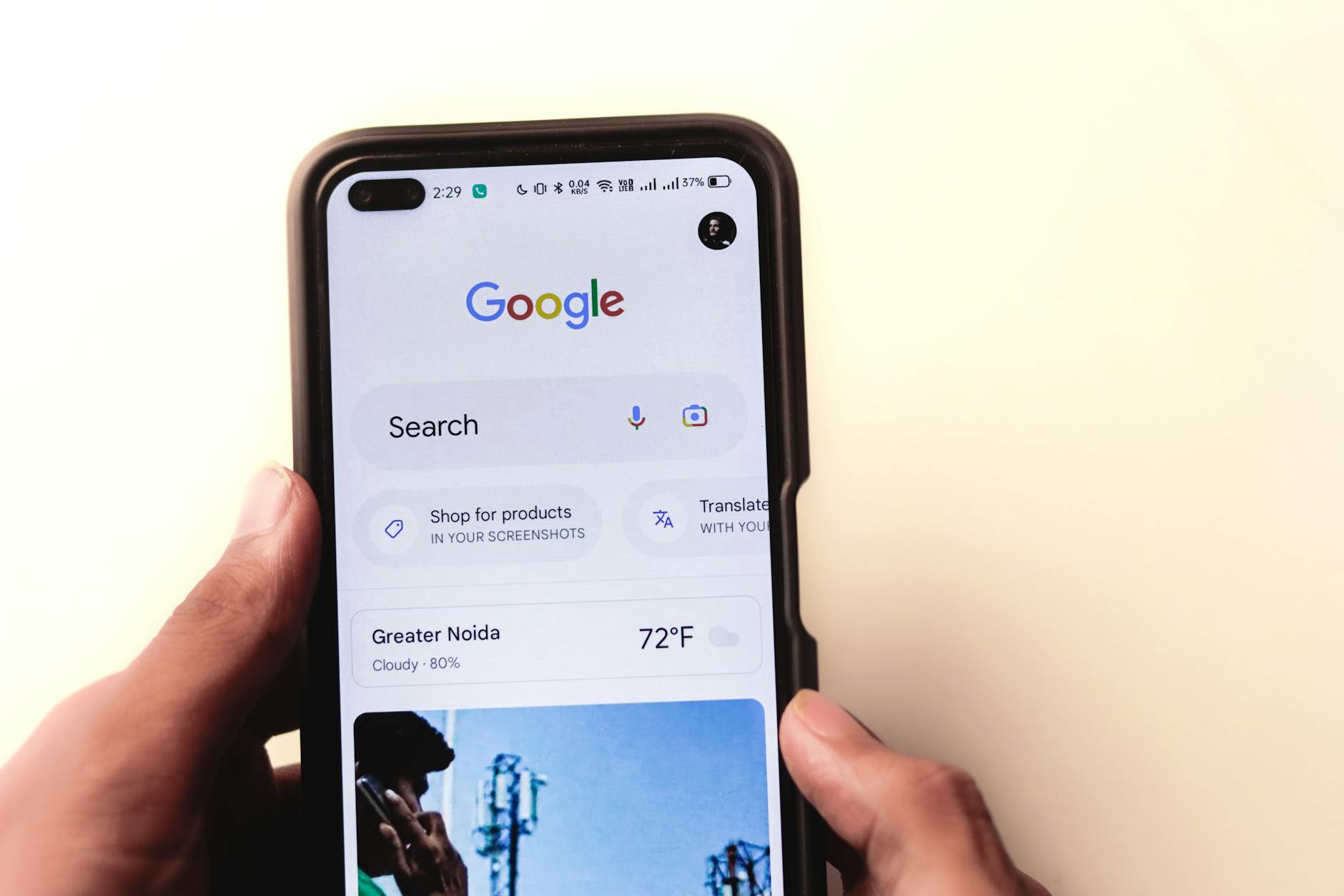
Google made a big change in how it looks at websites. Instead of checking your desktop site first, it now looks at your mobile version. This is called mobile-first indexing, and it affects how your site ranks in search results.
If your mobile site is rubbish, your rankings will suffer. Even for people searching on desktop.
What Is Mobile-First Indexing?
For years, Google crawled the desktop version of websites to decide rankings. Made sense back when most people browsed on computers.
Now over 60% of searches happen on mobile devices. So Google flipped the script. It crawls and indexes your mobile site first. Your desktop version becomes secondary.
Think of it like this: Google now judges your website based on how it looks and works on a phone. If your mobile experience is poor, your entire site gets penalised in search results.
Why This Matters for Your Business
Your mobile site isn't just a nice-to-have anymore. It's your primary website in Google's eyes.
Here's what happens if you're not mobile-ready:
- Lower search rankings across all devices
- Reduced organic traffic
- Fewer enquiries and sales
- Competitors pulling ahead
We see this with clients all the time. Businesses with great desktop sites but poor mobile experiences watch their traffic drop month after month.
How to Check If Your Site Is Ready
Start with Google's Mobile-Friendly Test. Just enter your URL and it'll tell you if your site passes the basic mobile test.
But that's just the beginning. Here's what else to check:
Page Speed on Mobile Your mobile site should load in under 3 seconds. Use Google PageSpeed Insights to check your mobile scores.
Slow mobile sites get hammered in rankings. We've seen sites lose 50% of their traffic simply because they took 8 seconds to load on mobile.
Content Parity Your mobile site should have the same content as your desktop version. Hidden content, collapsed sections, or missing pages hurt your rankings.
Some sites hide content on mobile to save space. Bad move. Google won't see that content during indexing.
Navigation and User Experience Can visitors easily find what they need on their phone? Tiny buttons, hard-to-read text, and confusing menus all signal poor quality to Google.
Your website trust score depends partly on mobile usability. Trust signals matter for rankings.
Common Mobile-First Problems
Slow Loading Images Huge desktop images that take forever to load on mobile connections. Compress your images and use modern formats like WebP.
Flash Content Still using Flash? Mobile devices can't play it. Google can't index it. Time to update.
Intrusive Pop-ups Pop-ups that cover the entire mobile screen get penalised. Make sure yours are easy to dismiss and don't block content.
Missing Structured Data If your desktop site has structured data but your mobile site doesn't, you'll lose rich snippets in search results.
Different URLs Sites with separate mobile versions (m.yoursite.com) often have different content or missing pages. This creates indexing problems.
The WordPress Advantage
Most modern WordPress websites handle mobile-first indexing well. WordPress themes are responsive by default, meaning they adapt to different screen sizes.
But you still need to check. Old themes, custom code, and heavy plugins can break mobile performance.
If you're using WordPress, check these areas:
- Theme responsiveness
- Plugin compatibility with mobile
- Image optimisation
- Mobile page speed
Our free website audit includes mobile performance checks. It'll spot issues that could hurt your rankings.
What About Existing Sites?
Don't panic if your site isn't mobile-ready yet. You have options.
Quick Fixes
- Switch to a responsive theme
- Optimise images for mobile
- Remove Flash content
- Test all forms on mobile devices
Long-term Solutions Consider a complete rebuild if your site is old or heavily customised. Modern frameworks like Next.js create naturally mobile-first sites.
We help businesses transition to mobile-first designs without losing their search rankings or content. The key is planning the migration properly.
Local SEO and Mobile-First
This is especially important for local businesses in Wales. Most "near me" searches happen on mobile. If your site isn't mobile-friendly, you're invisible to local customers.
Our local SEO guide for Welsh businesses covers mobile optimisation alongside other ranking factors.
Restaurant, salon, and tradesperson websites particularly need strong mobile performance. People search for these services while out and about.
Staying Ahead of the Game
Mobile-first indexing isn't going away. Google will likely make mobile performance even more important over time.
Regular website maintenance includes mobile performance monitoring. We check page speed, usability, and indexing status monthly for our clients.
Don't wait until your traffic drops to fix mobile issues. The businesses winning online are already mobile-first in everything they do.
Getting Help
Not sure where to start? Our team audits mobile performance as part of every website project. We'll identify problems and fix them before they hurt your rankings.
Whether you need a quick mobile optimisation or a complete site rebuild, we'll make sure Google loves your mobile experience as much as your customers do.